This trend not only accelerates the speed of transactions but also reduces the risk of spreading germs through physical currency exchange. Moreover, mobile wallets are expanding access to financial services for underserved populations who may not have access to traditional banking systems. By providing a platform for storing money and making payments without requiring a bank account, mobile wallets empower individuals in developing countries to participate in the global economy and improve their financial well-being. Overall, it is clear that mobile wallets have had a profound impact on the payment industry by offering unparalleled convenience, security, and accessibility to users worldwide. As these platforms continue to evolve and innovate, they will undoubtedly shape the future of how we transact financially in an increasingly digital world.
This trend is driven by a variety of factors, including the rise of digital wallets, increased security measures, and the desire for faster transaction times. One of the key drivers of the trend in contactless payments is the growing prevalence of digital wallets such as Apple Pay, Google Pay, and Samsung Pay. These platforms allow users to store their credit or debit card information on their smartphones and make payments by simply holding their device near a contactless terminal. This eliminates the need to carry physical cards and provides added convenience for consumers.
With features such as tokenization and biometric authentication, contactless transactions offer an extra layer of protection against fraud and identity theft. This increased security has helped to alleviate concerns that some consumers may have had about using contactless technology. Another factor driving the trend in contactless payments is the desire for faster transaction times. With contactless payments taking just seconds to complete compared to chip-and-PIN transactions which can take several seconds longer, consumers are drawn to the speed and efficiency of tap-to-pay options.
This is especially true in high-traffic environments such as public transportation systems or busy retail stores where quick payment processing is essential. Overall, trends in contactless payments are continuing to evolve as technology advances and consumer preferences shift towards more convenient and secure payment methods. As more businesses adopt contactless terminals and consumers become more comfortable with using this technology, we can expect to see even greater adoption rates in the future. Contactless payments are here to stay, offering a seamless and efficient way for individuals to make purchases in our increasingly digital world. The rise of blockchain technology in payment solutionsBlockchain technology has been making waves in various industries, but perhaps one of the most exciting developments is its rise in payment solutions. In recent years, more and more companies are turning to blockchain technology to revolutionize the way we make transactions.
Traditional payment systems are centralized, meaning that all transaction data is stored in a single location that can be vulnerable to cyber attacks. Blockchain technology, on the other hand, uses a decentralized network of computers to verify and record transactions, making it nearly impossible for hackers to manipulate the system. Another benefit of using blockchain technology for payments is its transparency. Because each transaction is recorded on a public ledger that anyone can access, there is an added layer of accountability that traditional payment systems lack. This transparency also helps prevent fraud and ensures that all parties involved in a transaction are held accountable.
With blockchain technology, transactions can be processed in a matter of seconds without the need for intermediaries like banks or payment processors. This not only reduces transaction fees but also eliminates delays associated with traditional payment systems. As more companies recognize the benefits of using blockchain technology for payments, we can expect to see even greater innovation in this space. From global remittances to micropayments, blockchain technology has the potential to revolutionize how we exchange value across borders and industries. In conclusion, the rise of blockchain technology in payment solutions represents a significant shift towards more secure, transparent, and efficient financial transactions.
Security challenges in online paymentsIn the ever-evolving world of technology, online payments have become increasingly popular due to their convenience and efficiency. However, with this shift towards digital transactions comes a new set of security challenges that must be addressed. One of the main concerns with online payments is the risk of fraud. Hackers and cybercriminals are constantly looking for ways to exploit vulnerabilities in payment systems in order to steal sensitive information such as credit card numbers and personal data. This can lead to financial loss for both consumers and businesses, as well as damage to their reputations.
Another challenge is the threat of identity theft. When making online payments, customers are often required to provide personal information such as their name, address, and social security number. If this information falls into the wrong hands, it can be used to open fraudulent accounts or make unauthorized purchases in the victim's name. Furthermore, there is also a concern about the security of online payment platforms themselves. While many companies invest heavily in encryption technology and other security measures to protect customer data, no system is completely foolproof.
In addition to these external threats, businesses also face internal challenges when it comes to online payments. Employees may inadvertently compromise sensitive information through careless handling or storage practices. It is essential for companies to educate their staff on best practices for safeguarding customer data and regularly monitor their systems for any signs of suspicious activity. Despite these challenges, there are steps that can be taken to enhance the security of online payments.
Implementing multi-factor authentication protocols, using tokenization technology to encrypt sensitive data, and conducting regular security audits are just a few examples of measures that can help mitigate risks. Overall, while the shift towards digital payments offers numerous benefits in terms of convenience and efficiency, it also brings with it a new set of security challenges that must be carefully managed. By staying vigilant and proactive in addressing these issues, businesses can protect themselves and their customers from potential threats in the ever-changing landscape of online commerce. The future of cashless societiesThe future of cashless societies is a topic that has generated much discussion and debate in recent years. With the rise of digital payments and mobile wallets, many people believe that we are moving towards a society where physical cash will become obsolete. There are several reasons why some experts predict that cashless societies will become the norm in the future.
With digital payments, people can make transactions quickly and easily without having to carry around bulky wallets or worry about losing money. This can also lead to faster and more efficient transactions, which can benefit businesses as well as consumers. Another argument for moving towards a cashless society is that it can help reduce crime. Cash is often used by criminals for illegal activities such as money laundering and tax evasion. By eliminating physical cash, it could potentially make it harder for criminals to engage in these activities.
The production and transportation of physical currency requires a significant amount of resources and energy. By using digital payments instead, we can reduce our carbon footprint and lessen our impact on the planet. However, there are also concerns about the future of cashless societies. One major issue is that not everyone has access to digital payment methods, particularly in developing countries or among marginalized populations. This could lead to financial exclusion for those who cannot participate in a cashless economy.
There are also privacy concerns related to digital payments. When all transactions are conducted electronically, there is potential for increased surveillance by governments or corporations. This could raise questions about data security and individual freedoms. In conclusion, the future of cashless societies holds both promise and challenges.
Ultimately, finding a balance between convenience and security will be key in shaping the future of our monetary systems. The role of artificial intelligence in streamlining payment processesIn today's fast-paced world, the role of artificial intelligence in streamlining payment processes has become increasingly important. As technology continues to advance, businesses are constantly looking for ways to improve efficiency and reduce costs.
Artificial intelligence has the ability to analyze large amounts of data quickly and accurately, making it an ideal tool for processing payments. By automating tasks that were once done manually, AI can help streamline the payment process and eliminate errors that can occur with human intervention. One of the key benefits of using AI in payment processes is its ability to detect fraudulent activity.
This not only protects the business from financial losses but also helps build trust with customers who rely on secure payment methods. Another advantage of using AI in payment processes is its ability to personalize the customer experience. By analyzing customer data, AI can recommend products or services that are tailored to individual preferences, making the purchasing process more efficient and enjoyable for consumers.

Overall, artificial intelligence plays a crucial role in streamlining payment processes by improving accuracy, detecting fraud, and personalizing the customer experience. As technology continues to evolve, businesses will need to embrace AI as a tool for driving efficiency and staying competitive in an increasingly digital marketplace.
What is a payment solution and how does it work? A payment solution is a method used to facilitate the transfer of money between two parties. It can be physical, such as cash or checks, or digital, like credit cards, mobile wallets, and online payment platforms. Payment solutions play a crucial role in our everyday lives, allowing us to pay for goods and services quickly and conveniently.
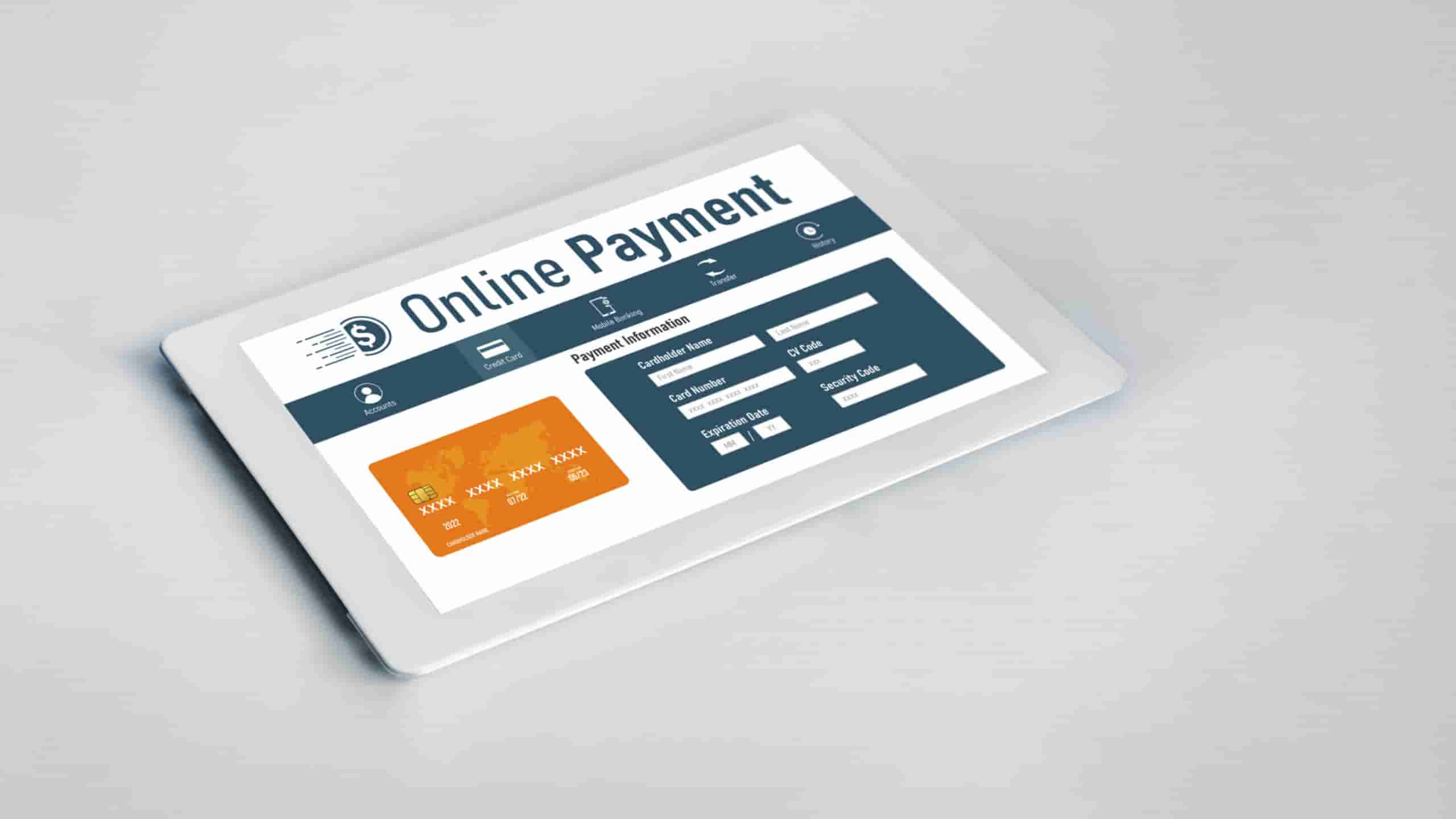
Let's take online payments as an example. When you make a purchase on a website using your credit card, the payment solution securely captures your card information and sends it to the merchant's bank for authorization. The bank then verifies if you have enough funds to complete the transaction and sends an approval back to the payment solution.
Payment solutions use advanced encryption technology to protect your financial information from hackers and fraudsters. They also comply with strict security standards set by regulatory bodies like PCI DSS to ensure that your data is safe. In addition to online payments, payment solutions are also used in brick-and-mortar stores through point-of-sale terminals that accept various forms of payment such as debit cards, contactless payments, and mobile wallets.

Integration complexity varies, but many payment gateways provide comprehensive documentation, support, and tools to simplify the process for developers.